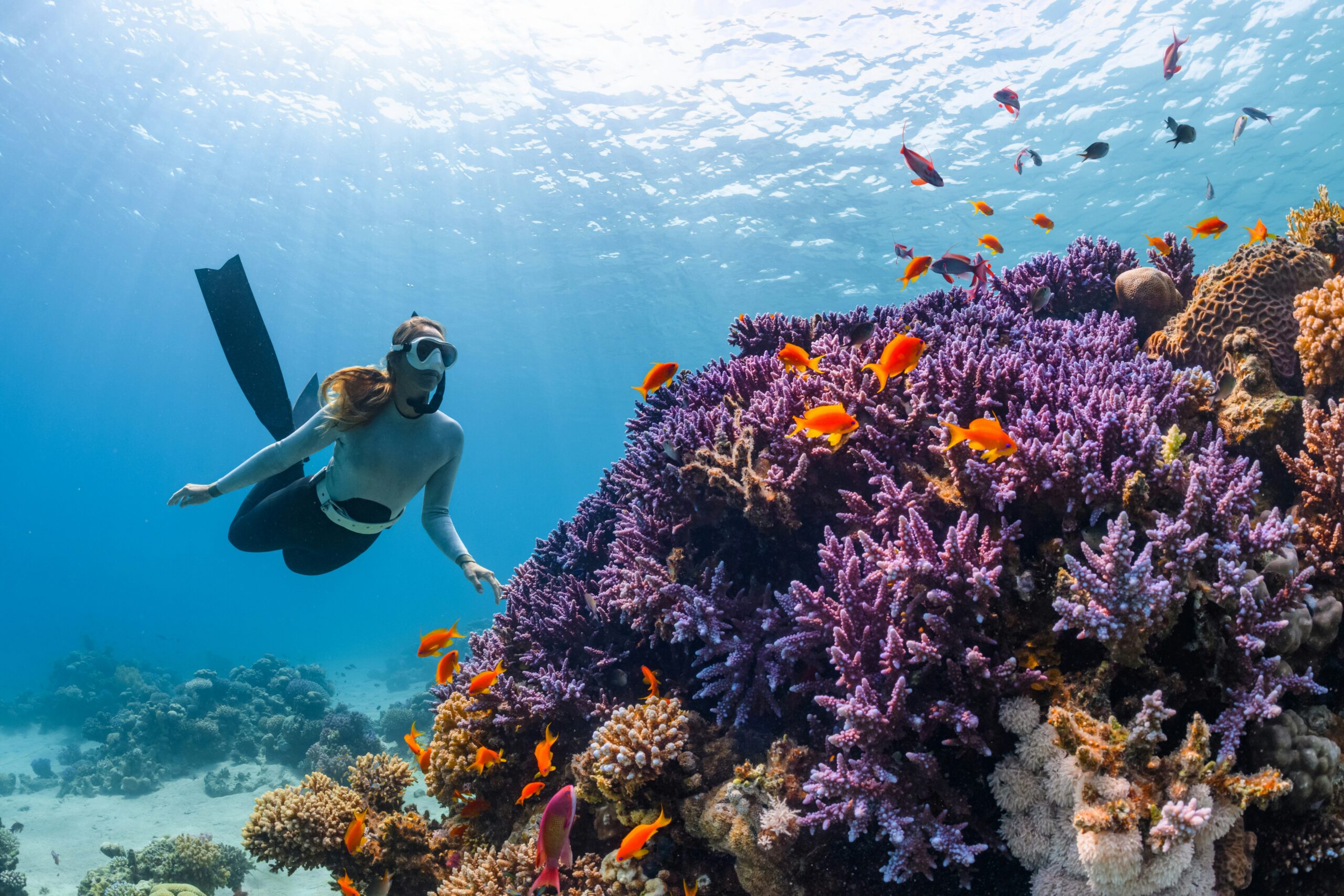
The Florida Keys attract divers from around the world every year. This island chain offers clear water, colorful reefs, historic shipwrecks, and rich marine life. As a result, many people consider it one of the best diving destinations in the United States.
Scuba diving in the Florida Keys offers much more than beautiful underwater scenery. It combines natural beauty, conservation efforts, and year-round diving conditions. Moreover, both beginners and experienced divers can find sites that match their skill levels. Every dive reveals something unique, making each trip memorable and rewarding.
Why Scuba Diving in the Florida Keys Stands Above Other Destinations
Scuba diving in the Florida Keys offers a rare mix of tropical beauty and easy access. Unlike many international dive spots, the Keys sit just a short flight or drive from many American cities. Therefore, divers can enjoy world-class experiences without traveling across the globe.
The region also benefits from warm waters throughout most of the year. Water temperatures often remain comfortable, allowing divers to spend more time underwater. In addition, calm conditions frequently improve visibility, creating excellent opportunities for underwater photography.
Many dive sites sit only minutes from local marinas. Consequently, visitors spend less time traveling and more time exploring reefs and wrecks. This convenience makes the Florida Keys an attractive destination for weekend trips and longer vacations alike.
The Only Living Coral Barrier Reef in the Continental United States
One feature makes scuba diving in the Florida Keys truly exceptional. The area protects the only living coral barrier reef in the continental United States. This reef stretches for more than 200 miles and supports thousands of marine species.
Healthy coral formations create homes for colorful fish, sea turtles, lobsters, and countless other creatures. Furthermore, divers can witness a wide range of ecosystems within a single trip. Every section of the reef presents different coral shapes, fish populations, and underwater landscapes.
Marine conservation organizations work closely with local communities to preserve this fragile environment. Because of these efforts, many reef areas remain vibrant and healthy. Responsible diving practices also help protect this valuable ecosystem for future generations.
Incredible Marine Life Creates Unforgettable Encounters
Marine life remains one of the biggest reasons people choose scuba diving in the Florida Keys. Divers regularly encounter angelfish, parrotfish, butterflyfish, barracudas, and southern stingrays. Additionally, nurse sharks and reef sharks often occur in deeper waters and pose no danger.
Sea turtles provide another unforgettable experience. Green turtles, loggerhead turtles, and hawksbill turtles frequently visit the reefs. Watching these graceful animals swim naturally leaves a lasting impression on many divers.
Seasonal visitors add even more excitement. During certain months, eagle rays, spotted dolphins, and migrating fish species appear throughout the region. Therefore, every season offers new underwater discoveries.
Famous Shipwrecks Add Adventure Beneath the Surface
Florida Keys diving includes some of the country’s most famous artificial reefs. Several historic ships now serve as thriving underwater habitats. These wrecks attract experienced divers seeking adventure and history together.
The USS Spiegel Grove remains one of the area’s most recognized wreck dives. This retired Navy ship rests upright on the ocean floor near Key Largo. Today, coral covers much of the structure while schools of fish swim through its corridors.
Another popular site includes the USS Vandenberg near Key West. This massive vessel supports impressive marine biodiversity while offering challenging dives for advanced divers. Besides these famous wrecks, many smaller ships create excellent exploration opportunities across the Keys.
John Pennekamp Coral Reef State Park Leads Marine Conservation
John Pennekamp Coral Reef State Park holds an important place in American diving history. It became the nation’s first undersea park in 1963. Since then, it has welcomed millions of visitors while promoting marine conservation.
The park protects coral reefs, seagrass beds, and mangrove forests. These habitats support healthy fish populations and improve overall ecosystem balance. Furthermore, educational programs help visitors understand the importance of protecting ocean environments.
The famous Christ of the Abyss statue also attracts thousands of divers each year. This underwater sculpture has become one of the most photographed dive attractions in North America.
Dive Sites Welcome Every Skill Level
Scuba diving in the Florida Keys suits beginners and experienced divers alike. Many shallow reefs allow new divers to build confidence in safe conditions. Certified instructors guide first-time divers while emphasizing safety and environmental awareness.
Meanwhile, advanced divers enjoy deeper wrecks, drift dives, and technical dive opportunities. The wide variety of dive sites allows visitors to continue developing their skills over multiple trips.
Many dive operators also offer certification courses. Therefore, beginners can complete training while enjoying some of the country’s finest underwater environments.
Excellent Visibility Improves Every Dive
Clear water significantly enhances the diving experience. Fortunately, Florida Keys diving often delivers visibility between 50 and 100 feet. Excellent visibility helps divers safely navigate reefs while enjoying breathtaking underwater scenery.
Photographers especially appreciate these conditions. Vibrant coral colors appear brighter under natural sunlight, while marine life becomes easier to capture. In addition, clear water helps instructors monitor students more effectively during training dives.
Weather patterns also support reliable diving for much of the year. Although storms occasionally affect conditions, divers usually find favorable weather across multiple seasons.
Sustainable Diving Protects the Future
Protecting marine ecosystems remains essential for preserving scuba diving in the Florida Keys. Dive operators actively promote responsible practices that minimize environmental impact. They encourage proper buoyancy control and discourage touching coral or disturbing wildlife.
Many organizations also participate in reef restoration projects. Scientists grow healthy coral fragments before transplanting them onto damaged reefs. As these corals mature, they strengthen local ecosystems and increase biodiversity.
Visitors contribute by following park regulations and respecting marine life. Small individual actions create meaningful long-term benefits for the entire reef system.
Local Dive Communities Enhance the Overall Experience
The Florida Keys support a welcoming diving community. Dive shops, instructors, boat captains, and conservation groups work together to create outstanding visitor experiences. Their local knowledge helps divers discover hidden gems throughout the region.
Many businesses have served divers for decades. As a result, they understand seasonal conditions, marine life behavior, and the safest routes to popular dive sites. Their experience improves safety while increasing enjoyment.
After each dive, visitors also enjoy waterfront restaurants, local seafood, and relaxed island culture. This combination of underwater adventure and coastal hospitality creates a complete vacation experience.
Why Divers Return to the Florida Keys Again and Again
Many destinations offer beautiful reefs. However, few combine accessibility, biodiversity, conservation, and history as successfully as the Florida Keys. Every visit offers new dive sites, changing marine life, and fresh underwater experiences.
The area’s protected coral reefs continue to inspire divers from across the world. Historic shipwrecks add excitement, while clear waters create ideal diving conditions. Furthermore, strong conservation programs help preserve these remarkable resources for future generations.
Scuba diving in the Florida Keys represents more than a recreational activity. It creates meaningful connections between people and the ocean. Those experiences often inspire greater appreciation for marine conservation while delivering unforgettable memories beneath the surface.