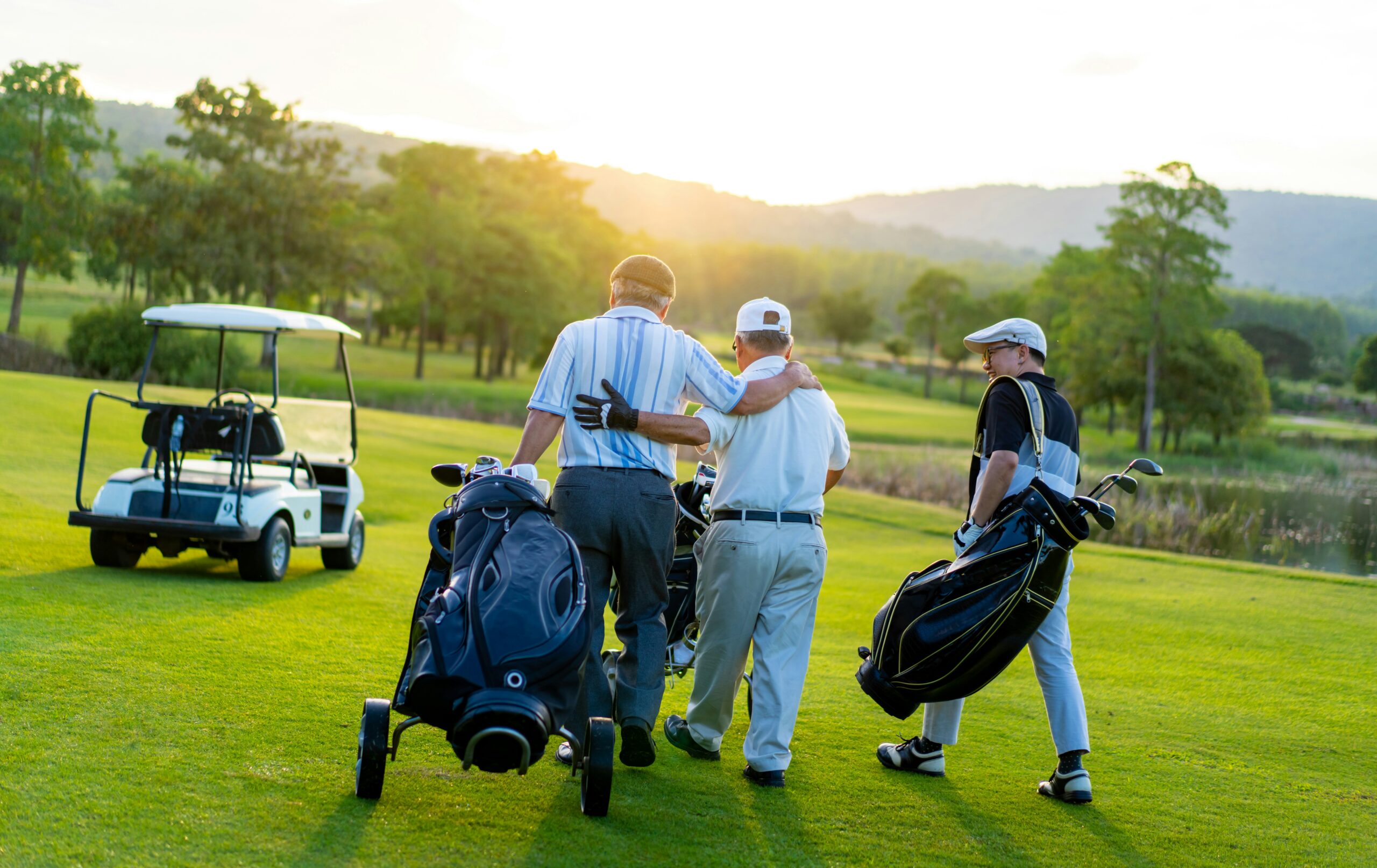
Retirement often creates more freedom to explore hobbies, build friendships, and focus on personal well-being. For many active retirees, golf has become an ideal way to bring these goals together. The sport combines physical movement, mental concentration, outdoor recreation, and regular social interaction. As a result, golf can provide retirees with much more than a relaxing afternoon on the course.
Active retirees are increasingly using golf to maintain routines, challenge their minds, and stay connected with other people. Although the game does not require constant high-intensity movement, it encourages players to remain active for several hours. At the same time, every round requires strategy, patience, and communication. Therefore, golf can become a meaningful part of a healthy and socially connected retirement lifestyle.
Golf Encourages Consistent Physical Activity
Regular movement becomes especially important during retirement because daily work routines may no longer provide the same level of activity. Golf gives retirees a reason to get outside, move their bodies, and maintain a more active schedule. Walking between holes can add significant movement to a round, while swinging, bending, and carrying equipment engage different muscle groups.
Even retirees who use a golf cart still spend time standing, walking short distances, and practicing controlled movements. Furthermore, regular golf practice can encourage players to work on flexibility, balance, and mobility away from the course. These habits may support overall fitness while offering a recreational activity that feels enjoyable rather than repetitive.
The Game Keeps the Mind Engaged
Golf demands much more than physical skill. Every hole presents decisions involving distance, wind, club selection, terrain, and risk. Players must evaluate these factors before choosing the best approach. Consequently, every round gives retirees opportunities to practice concentration and strategic thinking.
The game also requires emotional control. A poor shot can quickly change a player’s plan, so golfers must adapt instead of becoming distracted by previous mistakes. In addition, players track scores, remember course layouts, and adjust techniques throughout a round. These mental challenges can make golf an engaging hobby for retirees who want activities that continuously require focus.
Social Connections Grow Naturally on the Course
Retirement can change a person’s social routine. Leaving the workplace may reduce daily contact with coworkers and professional networks. However, golf can create regular opportunities to meet friends and develop new relationships.
A typical round may last several hours, which gives players plenty of time to talk between shots. Moreover, golf clubs, leagues, community tournaments, and casual groups can introduce retirees to people with similar interests. Regular games can eventually become important social events that retirees look forward to each week.
Golf Provides Structure After Leaving Work
Work often creates a predictable weekly schedule. After retirement, some people enjoy having complete freedom, while others miss the structure that employment once provided. Golf can help create a balanced routine without making retirement feel overly scheduled.
For example, retirees may reserve specific mornings for practice or play with a regular group every week. Therefore, golf can create something meaningful to anticipate while leaving plenty of time for family, travel, volunteering, and other interests. A steady routine can also encourage retirees to remain active instead of spending long periods at home.
Friendly Competition Adds Motivation
Competition does not need to disappear after retirement. Golf offers many ways for players to challenge themselves without requiring intense physical contact or speed. Retirees can compete against friends, participate in club events, or simply work toward improving their own scores.
Handicap systems can also help golfers with different skill levels enjoy competitive rounds together. As a result, someone who started playing recently may still have an enjoyable match with a more experienced golfer. Personal goals, such as improving putting or lowering a handicap, can add motivation and provide a sense of progress.
Outdoor Time Can Support Overall Wellness
Golf courses place players in open outdoor environments for several hours at a time. Trees, landscaped areas, fresh air, and natural surroundings can make the experience feel different from indoor exercise or recreation.
Additionally, spending time outdoors can provide a welcome break from screens and household routines. Retirees can focus on the course, their playing partners, and the next shot instead of everyday distractions. Therefore, golf can offer both activity and relaxation within the same experience.
Golf Can Strengthen Existing Relationships
Many retirees use golf as a way to spend more time with spouses, relatives, and longtime friends. Because players can talk throughout much of a round, golf creates opportunities for conversation that may not happen during faster activities.
Golf can also become a shared family interest. Retirees may play with adult children or introduce grandchildren to the game. Consequently, a simple recreational activity can create traditions that connect different generations and provide memorable experiences over many years.
Travel and Golf Often Work Together
Retirement frequently gives people more flexibility to travel. Golf can add another purpose to those trips because courses exist in destinations throughout the United States and around the world.
Some retirees plan vacations around famous courses, while others simply include a round or two during regular trips. In addition, golf communities and group trips can help players meet other enthusiasts. Combining golf and travel can keep retirement experiences fresh while offering new challenges on unfamiliar courses.
A Game That Can Adapt Over Time
One reason golf appeals to active retirees is its flexibility. Players can adjust how they participate according to their energy, mobility, and experience. Someone may walk an entire course during one stage of retirement and later use a cart while continuing to enjoy the same game.
Players can also choose shorter courses, play fewer holes, or spend more time practicing instead of completing a full round. Because golf offers so many ways to participate, retirees can adapt the activity as their needs change.
Ultimately, golf gives active retirees a practical combination of movement, mental challenge, friendship, and recreation. It can create structure without limiting freedom and provide competition without requiring intense physical demands. More importantly, the game offers countless opportunities to stay engaged with other people. For retirees who enjoy outdoor activity and continued personal growth, golf can become a rewarding part of life well beyond the working years.