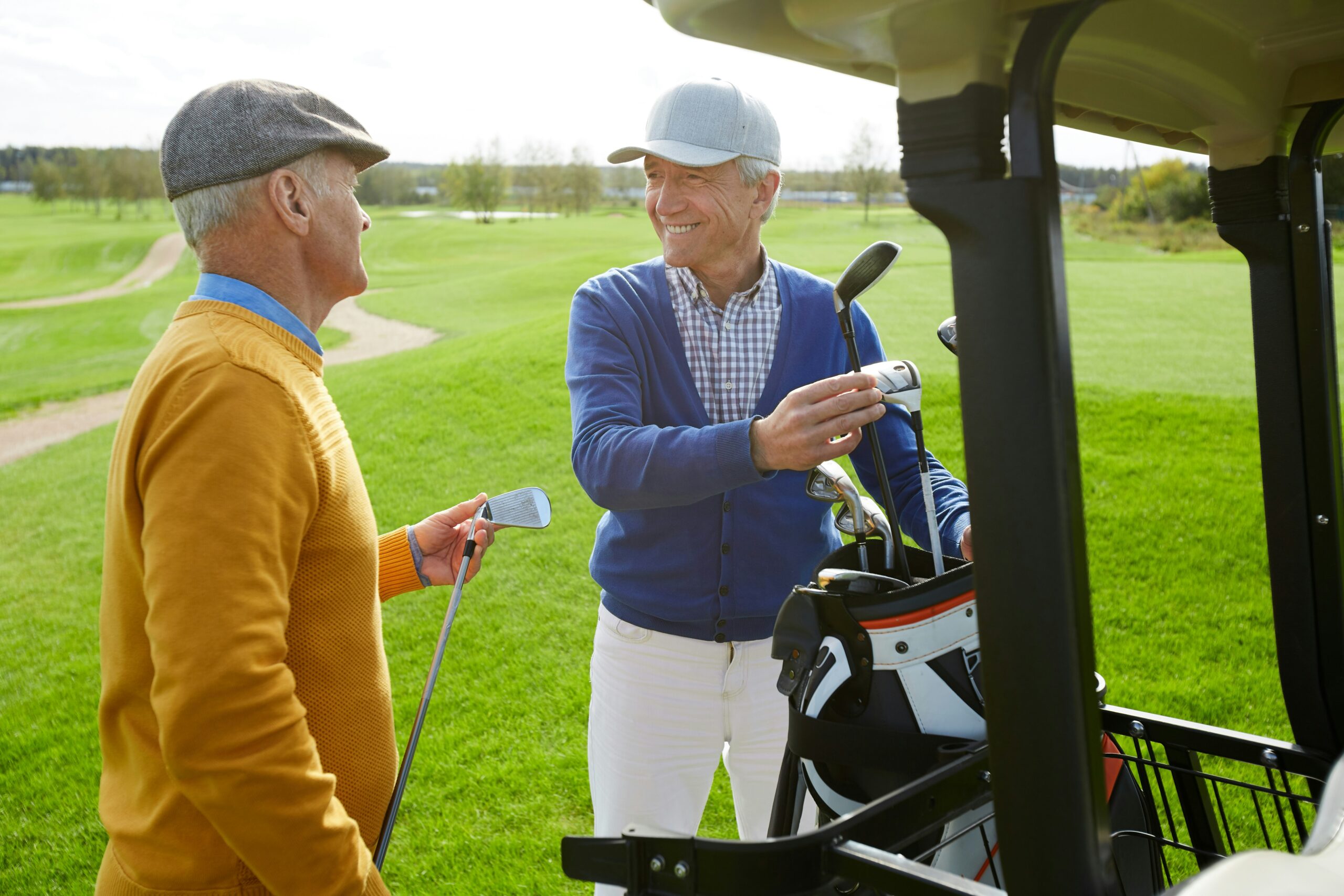
Retirement changes the way people think about time. Work schedules disappear, mornings become more flexible, and many people suddenly have hours that once belonged to meetings, commutes, and deadlines. That freedom can feel exciting, but it also creates an important question. What will give your days structure, enjoyment, and purpose?
Golf offers a strong answer. It combines physical movement, social connection, mental focus, time outdoors, and personal goals into a single activity. It can fit many fitness levels and remain part of your life for years. For retirees seeking an activity that offers more than mere entertainment, golf can become a meaningful part of everyday life.
Golf Gives Retirement a Healthy Sense of Routine
A regular schedule can make retirement feel more balanced. Without work responsibilities, days can sometimes blend. Golf creates natural structure. A morning tee time gives you a reason to get up, prepare, travel to the course, and spend several hours doing something active. Even practice sessions can create useful routines during the week.
This structure does not need to feel strict. That is part of the appeal. You can play twice a week, visit the driving range, practice putting, or join casual weekend rounds. Golf creates plans without making retirement feel like another job. It gives you something to look forward to while leaving plenty of time for family, travel, hobbies, and relaxation.
Golf Keeps You Moving Without Extreme Exercise
Staying active becomes increasingly important with age. Golf provides steady movement without requiring the intensity of running or heavy workouts. Walking the course can involve several miles of movement during a full round. Even golfers who use carts still walk between shots, move around greens, bend, stretch, and swing throughout the day.
The golf swing also uses many parts of the body. Your legs, hips, shoulders, arms, and core all take part in the movement. Regular play may help you maintain mobility, coordination, and balance. You can also adjust the activity to match your physical condition. That makes it easier to continue playing golf as your needs change over time.
The Course Creates Natural Social Connections
Retirement can reduce daily contact with coworkers and professional friends. For some people, that change creates an unexpected social gap. Golf naturally brings people together. A round can last several hours, giving players time to talk, laugh, share stories, and build relationships without forcing conversation.
Golf clubs, public courses, senior leagues, and local tournaments also make it easier to meet people with similar interests. These connections can become an important part of retirement. You may develop regular playing groups or make friends who eventually join you for dinners, trips, and other activities. Golf creates a social setting that feels relaxed and natural.
Golf Gives Your Mind Something to Work On
Golf may look simple from a distance, but every round presents different decisions. You must choose clubs, judge distance, read greens, think about wind, and decide how much risk to take. These small challenges keep your mind involved throughout the game.
The sport also gives you endless opportunities to improve. Consider putting one month and focusing on your short game the next. You may try to lower your score or become more consistent with one club. Progress gives you a sense of achievement. Retirement can remove many of the goals that once came from work, so having personal goals can keep life interesting and rewarding.
Spending More Time Outdoors Can Improve Your Days
Golf places you in an outdoor environment for several hours at a time. Instead of spending your retirement mainly indoors, you can enjoy open spaces, trees, fresh air, and changing scenery. Courses often provide calm surroundings that feel very different from busy streets, offices, and shopping areas.
Outdoor time can also encourage a slower pace. You walk between shots, observe the course, and focus on what is happening around you. Even when your score is not going well, the setting can still make the day worthwhile. A peaceful morning on the course can become one of the simple pleasures that makes retirement feel more enjoyable.
Golf Can Become Part of Your Travel Plans
Many retirees want to travel more once work obligations end. Golf fits naturally into that lifestyle. Courses are available across the United States and around the world so that the sport can give your trips an extra purpose. You can explore new destinations while experiencing different course designs, landscapes, climates, and communities.
Golf travel does not have to mean expensive resorts. Many cities and smaller towns have affordable public courses that welcome visitors. You can build a round into a road trip, family visit, or longer vacation. Couples can also plan trips where one person plays golf while the other enjoys nearby attractions. The flexibility makes golf easy to include in many retirement travel plans.
The Game Can Grow With You Over Time
One reason golf works well as a retirement activity is its flexibility. You do not need to play the same way forever. You can shorten your rounds, move to different tee boxes, use a cart, play nine holes instead of eighteen, or spend more time practicing instead of playing complete rounds.
Equipment and course options can also make the game more comfortable as you get older. Lightweight clubs, easier-to-hit golf balls, supportive shoes, and shorter course formats can reduce physical strain. The goal does not have to be competitive performance. The real value can come from staying involved, enjoying the challenge, and continuing to spend time with people you like.
Golf Offers a Personal Challenge Without Work Pressure
Many retirees miss the satisfaction that comes from solving problems and reaching goals. Golf provides those experiences without the deadlines and pressure that often come with a career. Every round gives you another opportunity to make better decisions, improve your swing, or handle difficult situations more calmly.
You also compete mostly against yourself. Your playing partners may have different skill levels, ages, and abilities, but everyone can still enjoy the same round. The handicap system can make friendly competition more balanced. This allows golf to stay enjoyable whether you care deeply about your score or want a reason to spend a few hours outside.
Golf Can Strengthen Relationships With Family
Golf can also create valuable family time. Retirees often have more opportunities to play with adult children, grandchildren, siblings, or longtime friends. A round gives people several uninterrupted hours together. Those hours can lead to conversations that might never happen during a short meal or family gathering.
Introducing younger family members to golf can create a shared interest that lasts for years. You may teach a grandchild how to putt, play a relaxed round with your son or daughter, or organize an annual family golf day. These experiences can become traditions. The score may eventually be forgotten, but the time spent together can remain meaningful.
Making Golf the Center of an Active Retirement
Golf should not become the only thing you do in retirement. A fulfilling lifestyle usually includes relationships, family time, travel, rest, and other interests. Still, making golf your primary recreational activity can help organize many aspects of your life. It gives you exercise, friendship, outdoor time, personal goals, and opportunities to travel.
The best retirement activities are often the ones you can enjoy repeatedly without feeling bored or pressured. Golf offers constant variety because every course, round, shot, and playing partner creates a different experience. If you enjoy the game, retirement gives you something your working years may not have provided enough of: time to play it. That alone can make golf one of the most rewarding ways to build an active and enjoyable retirement.