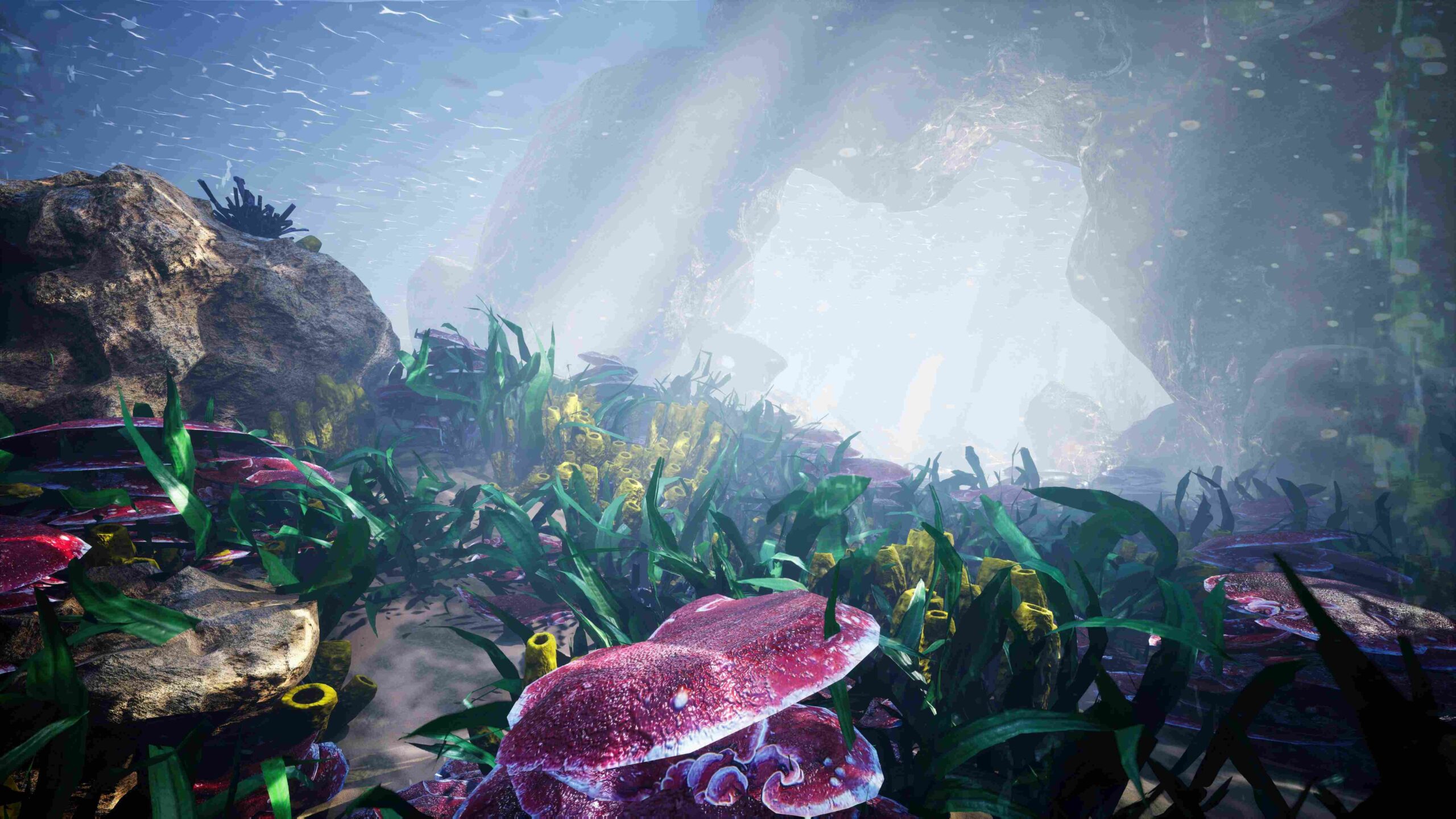
The Florida Keys offer one of the most fascinating underwater environments in the United States. This chain of tropical islands stretches from the southern tip of Florida into warm, clear waters filled with marine life. While visitors often admire the beaches, sunsets, and coastal scenery, an entirely different world exists beneath the ocean’s surface.
Colorful coral reefs, tropical fish, historic shipwrecks, and underwater habitats make the Florida Keys a remarkable destination for ocean exploration. These natural features support diverse marine ecosystems and attract snorkelers, divers, researchers, and nature lovers throughout the year. Understanding what lies beneath these waters reveals why protecting this unique environment matters.
Discovering the Living Coral Reefs of the Florida Keys
The Florida Keys sit near the Florida Reef Tract, an extensive coral reef system that stretches along Florida’s southeastern coast. These reefs provide shelter, food, and breeding areas for many marine species. Their complex structures create underwater neighborhoods where fish, crabs, sea turtles, and other creatures interact. Although coral may resemble colorful rocks or plants, it consists of tiny living animals that build hard structures over time.
Healthy coral reefs support the balance of marine ecosystems. They also help reduce wave energy before it reaches coastal communities. Visitors exploring the reefs may notice branching corals, rounded coral formations, and small fish moving between narrow spaces. However, rising ocean temperatures, coral diseases, and pollution have damaged many reef areas. Conservation efforts aim to restore these habitats and protect the species that depend on them.
Exploring the Colorful World of Tropical Fish
One of the most memorable experiences in the Florida Keys involves watching tropical fish move through coral reefs. Their bright colors and unusual patterns create an impressive underwater scene. Yellowtail snapper, angelfish, parrotfish, and butterflyfish are among the species visitors may encounter. Each fish plays a different role in maintaining the health of its surrounding environment.
Parrotfish help control algae growth by feeding on surfaces around coral reefs. Other fish search for small animals, clean larger species, or hide among coral structures for protection. These daily activities demonstrate how closely marine life depends on a healthy ecosystem. Snorkelers can observe many species in shallow waters, while divers may encounter different fish communities at greater depths.
Understanding the Importance of Seagrass Meadows
Coral reefs receive much of the attention in the Florida Keys, but seagrass meadows also play an essential role in the underwater environment. These underwater plants grow across shallow coastal areas where sunlight reaches the ocean floor. Their long leaves provide shelter for young fish, small crustaceans, and other marine animals. Seagrass roots also help stabilize sediment and reduce disturbance from moving water.
Seagrass habitats support larger marine creatures as well. Green sea turtles feed on seagrass, while many fish species use these areas during their early development. The plants also absorb carbon dioxide as they grow and store carbon in underwater sediments. Protecting seagrass meadows helps maintain water quality, supports marine biodiversity, and strengthens the overall health of coastal ecosystems.
Encountering Sea Turtles in Their Natural Habitat
Sea turtles are among the most recognizable marine animals found around the Florida Keys. Green sea turtles, loggerheads, and hawksbills may appear in surrounding waters. These animals travel through different marine environments while searching for food or moving between habitats. Watching a sea turtle swim slowly above a reef can become an unforgettable experience for underwater visitors.
Each species contributes to the marine environment in different ways. Green sea turtles graze on seagrass, while hawksbills feed heavily on sponges. Loggerheads use their powerful jaws to eat hard-shelled animals. Unfortunately, sea turtles face threats from boat strikes, fishing gear, pollution, and habitat loss. Visitors can help protect them by maintaining a respectful distance and avoiding physical contact.
Exploring Historic Shipwrecks Beneath the Waves
The waters surrounding the Florida Keys contain numerous shipwrecks that reveal the region’s maritime history. Strong currents, shallow reefs, and unpredictable storms created dangerous conditions for vessels traveling through these waters. Over time, shipwrecks became part of the underwater landscape, attracting marine life and visitors interested in history.
Some wrecks also serve as artificial reefs. Their structures provide surfaces where marine organisms can settle and spaces where fish can find shelter. The USS Spiegel Grove near Key Largo and the USNS General Hoyt S. Vandenberg near Key West are well-known examples of vessels intentionally sunk to create diving attractions. Exploring these sites allows divers to observe how human-made structures gradually become part of marine habitats.
Discovering the Unique Beauty of Underwater Caves
Certain areas around the Florida Keys feature underwater ledges, openings, and cave-like formations that create unusual diving environments. These structures develop through geological processes and provide shelter for marine animals. Their shaded spaces may contain fish, lobsters, and other creatures that prefer protection from open water.
Exploring these environments requires caution and appropriate training. Underwater caves and enclosed spaces can present serious risks because visibility, navigation, and access to the surface may become limited. Recreational divers should remain within their training and avoid entering overhead environments without specialized preparation. Even from safe viewing areas, these formations reveal the geological complexity beneath the Florida Keys.
Visiting the Famous Underwater Christ of the Abyss Statue
One of the most recognizable underwater attractions in the Florida Keys is the Christ of the Abyss statue near Key Largo. Located within the Florida Keys National Marine Sanctuary, this bronze sculpture stands in relatively shallow water near Dry Rocks reef. Its raised arms create a striking image beneath the ocean’s surface.
The statue attracts snorkelers and divers who want to experience a combination of art, history, and marine scenery. Sunlight filtering through the water creates changing patterns around the sculpture. Fish often swim nearby, adding natural movement to the setting. Visitors can admire the statue without touching it or disturbing the surrounding reef. The site demonstrates how cultural landmarks can become memorable features of an underwater destination.
Understanding the Role of Mangrove Forests
Mangrove forests grow along many protected shorelines throughout the Florida Keys. Their tangled roots extend into shallow water and create valuable habitats for fish, crabs, and other marine animals. These coastal trees connect land and sea ecosystems while providing important shelter for young marine species.
Mangroves also help protect shorelines from erosion and reduce the force of waves. Their roots trap sediment and can improve water clarity by limiting the movement of loose particles. Many fish that eventually move toward offshore reefs spend part of their early lives near mangrove habitats. Preserving these forests supports the broader marine environment and helps maintain the natural connections between coastal ecosystems.
Experiencing Marine Life Through Responsible Snorkeling
Snorkeling offers an accessible way to observe the underwater beauty of the Florida Keys. Many shallow reef areas provide opportunities to see tropical fish, coral formations, and other marine creatures without advanced diving equipment. Guided excursions can help visitors identify suitable locations and understand local environmental rules.
Responsible snorkeling protects both visitors and marine habitats. Swimmers should avoid standing on coral, touching wildlife, or collecting natural objects. Maintaining control of fins and equipment helps prevent accidental damage. Visitors should also follow local boating and sanctuary regulations. These simple habits allow people to enjoy underwater environments while reducing their impact on fragile ecosystems.
Protecting the Future of the Florida Keys’ Underwater World
The underwater ecosystems of the Florida Keys face growing environmental pressures. Warmer ocean temperatures can cause coral bleaching, while pollution and poor water quality place additional stress on marine habitats. Strong storms, disease outbreaks, and human activities can further damage sensitive ecosystems.
Organizations, scientists, and local communities continue working to protect and restore these environments. Coral restoration projects, habitat monitoring, responsible tourism practices, and marine protection programs contribute to these efforts. Visitors can support conservation by choosing responsible tour operators, following wildlife guidelines, and reducing pollution.
The Florida Keys offer much more than beautiful islands and tropical scenery. Beneath the waves lies a connected world of coral reefs, seagrass meadows, historic shipwrecks, and remarkable marine animals. Each habitat contributes to the health and diversity of the surrounding ocean.